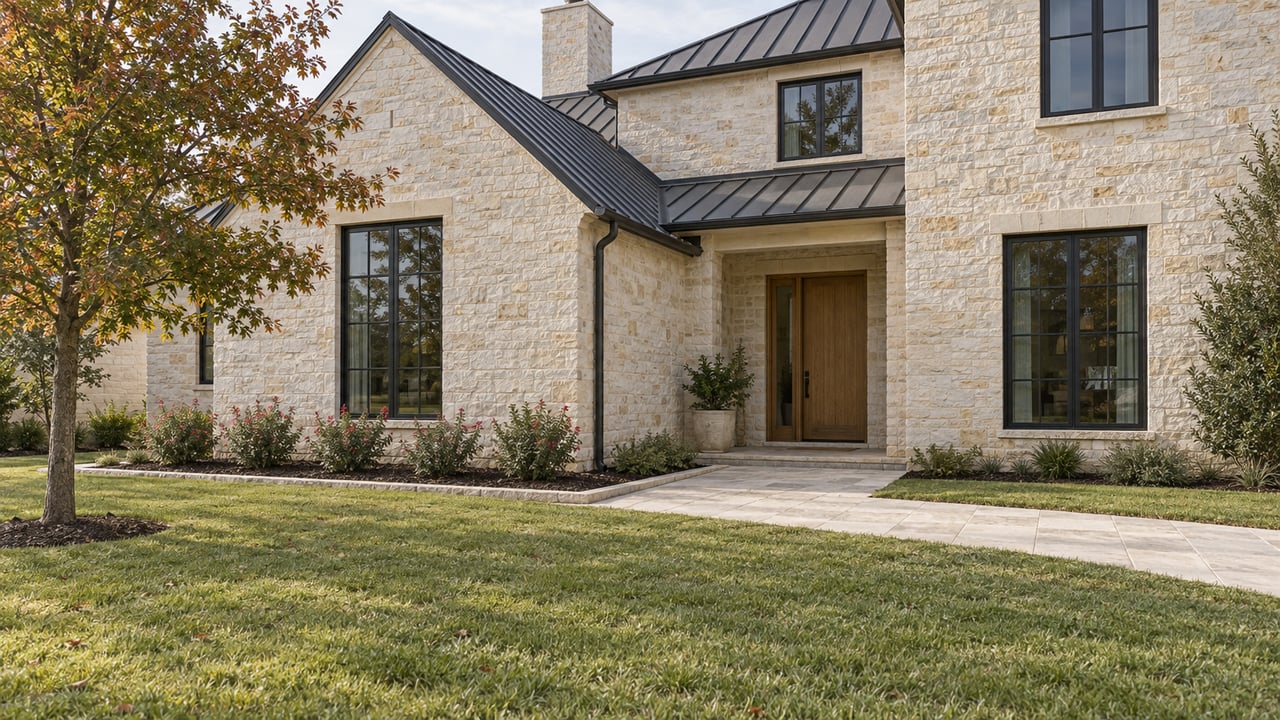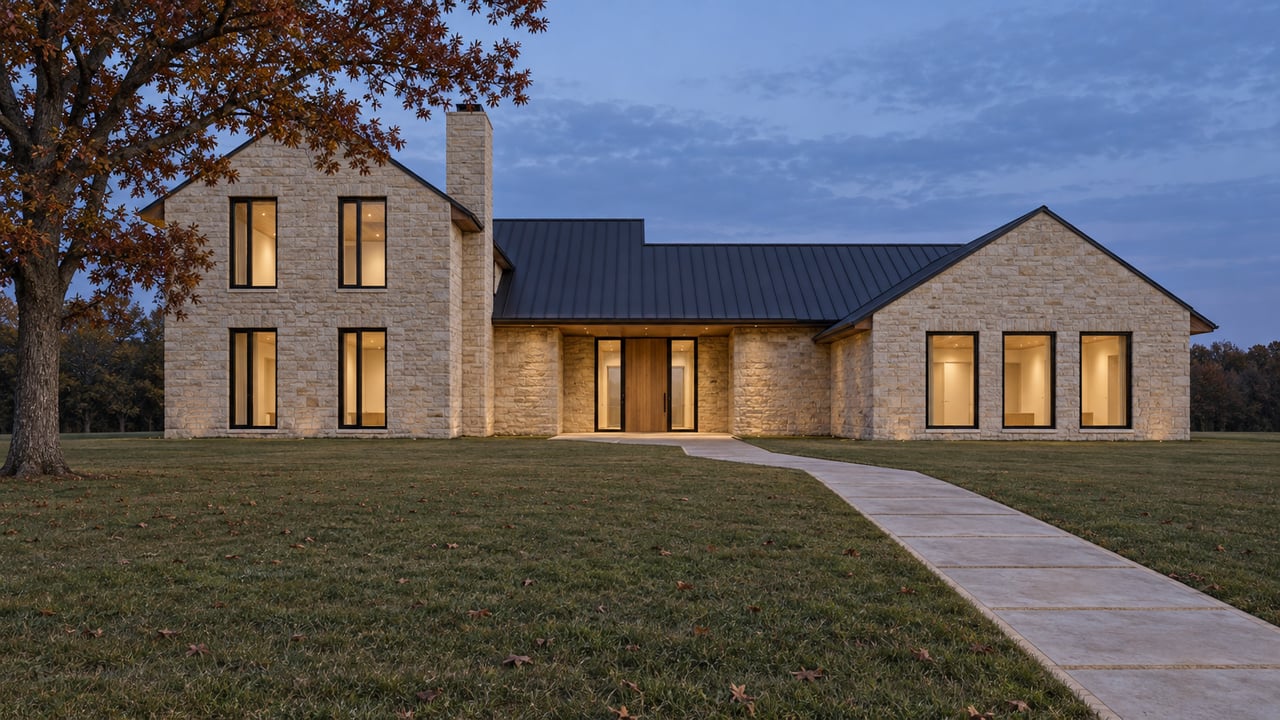
Stepping into a new executive role in Dallas-Fort Worth can be exciting and demanding at the same time. You want privacy, a smooth commute, excellent home options, and a plan that respects your time. This guide gives you a clear framework tailored to DFW’s unique layout, with practical steps for choosing the right community, securing your privacy, and moving in with confidence. Let’s dive in.
Why DFW appeals to executives
DFW is a polycentric metro with multiple business districts, including Downtown Dallas, Uptown and the Medical District, the North Dallas and Preston Center area, Plano and Frisco’s corporate corridor, and Las Colinas in Irving. This layout gives you flexibility to match your home base with your work life, travel needs, and privacy preferences.
Texas does not levy a state personal income tax, which many high earners value. At the same time, you should plan for property taxes and ongoing estate costs as part of your long-term budget. Many executives choose Southlake and Westlake for larger lots, gated options, and proximity to respected public and private K–12 choices.
Choose your base: key areas
If you want privacy and quick access to airports, Southlake and Westlake stand out. These suburbs offer gated communities, estate lots, and quick links to State Highway 114 and 121, which help you reach DFW International Airport and business hubs efficiently. You also have corridors with individually gated estates for additional privacy.
Other nearby options include Colleyville, sections of North Dallas, and parts of Plano and Frisco. The right fit depends on your typical travel route, where you work, and your lifestyle preferences. Your goal is to balance privacy and predictability with direct access to major arterials.
Commute and airport access
Airport access
If you travel frequently, easy access to airports is essential. DFW International Airport offers the broadest commercial and private-jet options with full-service FBO support. Dallas Love Field can be faster for certain domestic trips depending on traffic patterns and flight schedules. For private aviation, availability of FBO services, hangar space, and crew amenities is an advantage in the DFW ecosystem.
For day-to-day reliability, prioritize properties with direct routes to SH 114 or SH 121. Travel times vary during peak periods and special events, so plan for predictability rather than raw distance. Many executives also use a dedicated driver or car service to reduce stress and improve productivity.
Daily commutes
Your likely destinations include Downtown and Uptown, Plano and Legacy in the Frisco corridor, Las Colinas in Irving, and the Medical District. From Southlake and Westlake, SH 114 and SH 121 provide fast links to these hubs. Morning and evening drive times can vary, so focus on neighborhoods with controlled access and quick arterial connections to keep timing consistent.
Privacy, gated communities, and HOAs
Community types
- Guard-gated communities with staffed security posts or remote gate control.
- Private gated subdivisions with HOA-managed roads and controlled access.
- Estate corridors with individually gated homes on public streets.
Each model offers different levels of access control, privacy, and neighborhood oversight. Decide what balance of security, flexibility, and amenities you want before you tour.
HOA rules to review
Homeowners associations often regulate exterior appearance, landscaping, fencing, lighting, and signage. Some communities have specific rules for security cameras, visible vehicles, or contractor parking. Review Covenants, Conditions and Restrictions early so you understand what is allowed and how the architectural review process works.
Security layers that work
High-value properties typically blend multiple layers. You might combine perimeter controls such as gates and landscape buffers, staffed or monitored access, and integrated smart-home security with professional monitoring. Consider segmented networks, encrypted remote access for your management team, and careful vendor vetting for household staff and service providers. The right mix improves privacy without compromising day-to-day convenience.
Off-market acquisition and title privacy
At this level, many purchases happen quietly. Off-market search strategies, confidentiality agreements, and curated showings protect your privacy and minimize disruption. You can hold title through a trust or LLC to reduce public visibility, with guidance from a local real estate attorney and tax advisor. Align your legal, insurance, and estate-planning decisions before you sign so coverage and disclosures are set up correctly.
Build custom or buy move-in ready
Lot due diligence
If you plan to build, start with a thorough review of title, easements, setbacks, and height limits. Confirm floodplain status and drainage requirements. Order soil and geotechnical testing early so your structural engineer can design the right foundation. Verify utility availability for water, sewer, gas, electric, and high-speed internet. If a Municipal Utility District serves the lot, understand how billing and bonds work.
Design, approvals, and permits
Your path runs from schematic design to construction documents, followed by HOA architectural review and city or county permitting. Coordinate civil engineering for grading and drainage plans. If your vision needs a variance, build time into the calendar to address it. Early conversations with planning staff and the HOA can reduce surprises later.
Timeline and budget
For a luxury custom home, the build phase often spans 9 to 18 months after permits, and the entire lot-to-move-in journey commonly ranges from 12 to 30 months. Design complexity, site constraints, permitting timelines, and weather all affect the schedule. Budget for lot acquisition, construction, soft costs such as architectural and engineering fees, permits, utility taps, and lender fees. Landscape, privacy elements, and security systems are significant line items at this level. Texas has no state income tax, but you should plan for property taxes, HOA dues, and ongoing estate operations.
Builder selection
You can choose fixed-price design-build, cost-plus with a guaranteed maximum price, or a negotiated contractor model. Verify licensing, insurance, and references, and make sure your builder has experience with high-security and custom systems. Use milestone-based payment schedules and retainage to protect your interests. The right builder will have a reliable subcontractor network and clear warranty practices.
White-glove move-in checklist
30 to 90 days before closing
- Secure temporary housing if needed.
- Engage a relocation or estate manager to coordinate logistics.
- Retain a local real estate attorney to explore title privacy options.
- Begin school enrollment and transfers as applicable.
- Interview security firms, chauffeur services, and household staffing providers.
- If building, advance HOA and city pre-submissions and finalize geotechnical and survey work.
- Plan your home technology scope for AV, network, and security.
First 30 days after closing
- Change locks, activate monitoring, and secure the property.
- Establish utilities and service accounts for electric, water, gas, trash, and internet.
- Arrange vehicle transport and garage fit-outs, including lifts and storage.
- Schedule landscapers, pool service, pest control, and deep cleaning.
- Set up local banking and tax relationships and update vehicle registrations and licenses as required.
Final setup and first year
- Commission and test security and smart-home systems, including alert protocols.
- Coordinate arrival windows for movers and vendors to maintain privacy.
- Work with an interior designer for furniture placement and protective storage for high-value items.
- Complete a detailed walkthrough and punch list; review warranties and maintenance schedules.
- Implement a preventive maintenance plan and adjust your security posture based on real-world use.
Executive-friendly home features
If you travel often or host frequently, prioritize features that streamline your routine. Consider secure entry sequencing with guest pre-screening, separate staff and guest suites, and dedicated areas for fitness and recovery. Biometric access control, resilient power backup, and separate HVAC zones support comfort and reliability. Large garages, car lifts, and discreet service entrances keep operations smooth while protecting privacy.
Risk management and insurance
High-value homes require thoughtful coverage. In addition to homeowners insurance, consider umbrella liability, and specialized policies for collections and vehicles. If you contract security personnel, confirm proper licensing and liability coverage. Keep documentation organized with warranties, as-built plans, vendor contacts, and emergency procedures so your team can act fast when needed.
How we help
You deserve a team that protects your time and privacy while delivering results. Our approach prioritizes discreet search and showings, off-market access, and efficient tours around your schedule. We connect you with vetted builders, architects, and security partners, and we guide you through HOA reviews, permitting, and design. Whether you are buying an existing estate or creating a custom home, we help you plan the move and settle in smoothly.
Ready to explore Southlake, Westlake, and neighboring enclaves with a trusted local team? Connect with the George & Noonan Real Estate Group to start a confidential conversation.
FAQs
Is Southlake or Westlake best for privacy near Dallas?
- Southlake and Westlake are popular for larger lots, gated options, and quick access to business hubs and airports; other areas can work depending on commute and lifestyle goals.
Which airport should I prioritize, DFW or Love Field?
- DFW typically offers the broadest commercial and private-jet options, while Love Field can be faster for some domestic trips depending on your location and traffic.
How long does a custom build take from lot to move-in?
- Many luxury custom projects run 12 to 30 months all-in, with 9 to 18 months common after permits; timelines vary with design, site conditions, and approvals.
Are gated communities restrictive with design and security?
- Rules vary by community; review HOA Covenants, Conditions and Restrictions and the architectural process early to confirm what is permitted.
How do I protect privacy during the purchase process?
- Use a confidential search, limited showings, and if desired, hold title through a trust or LLC with guidance from a local attorney and tax advisor.