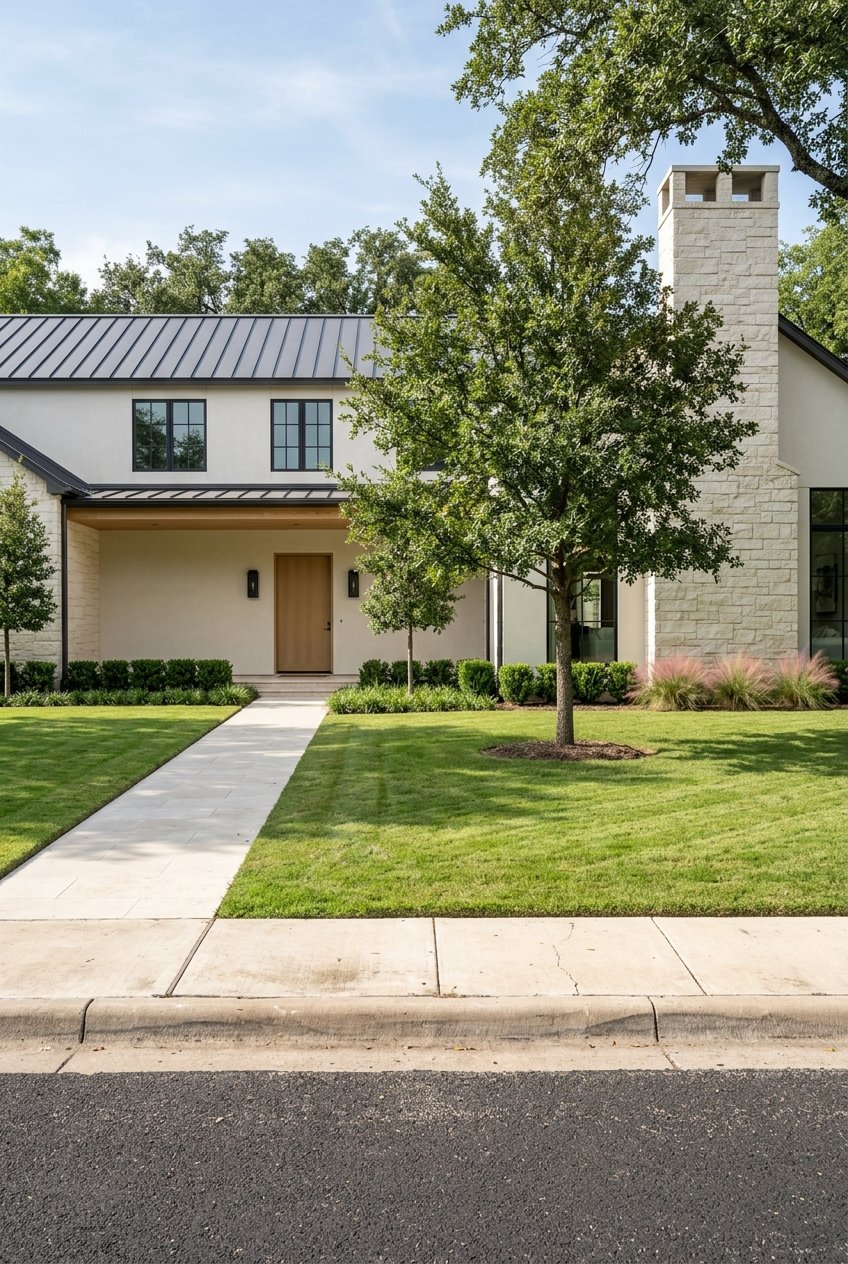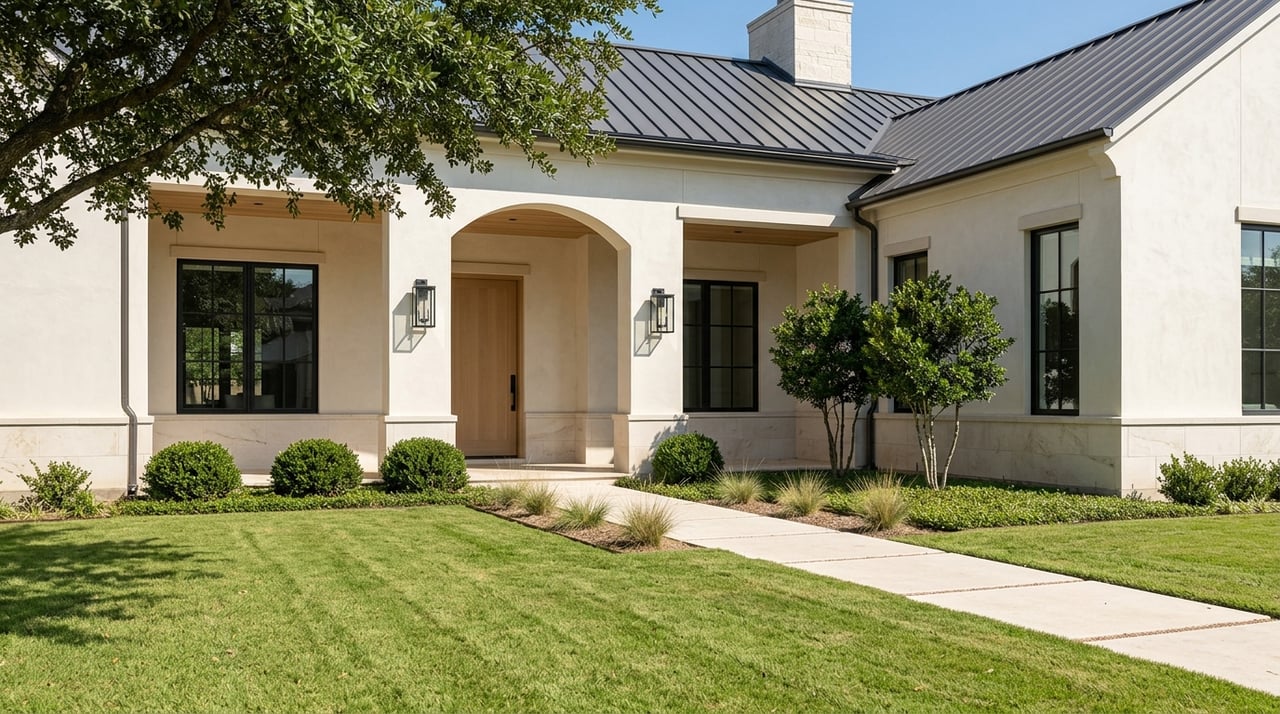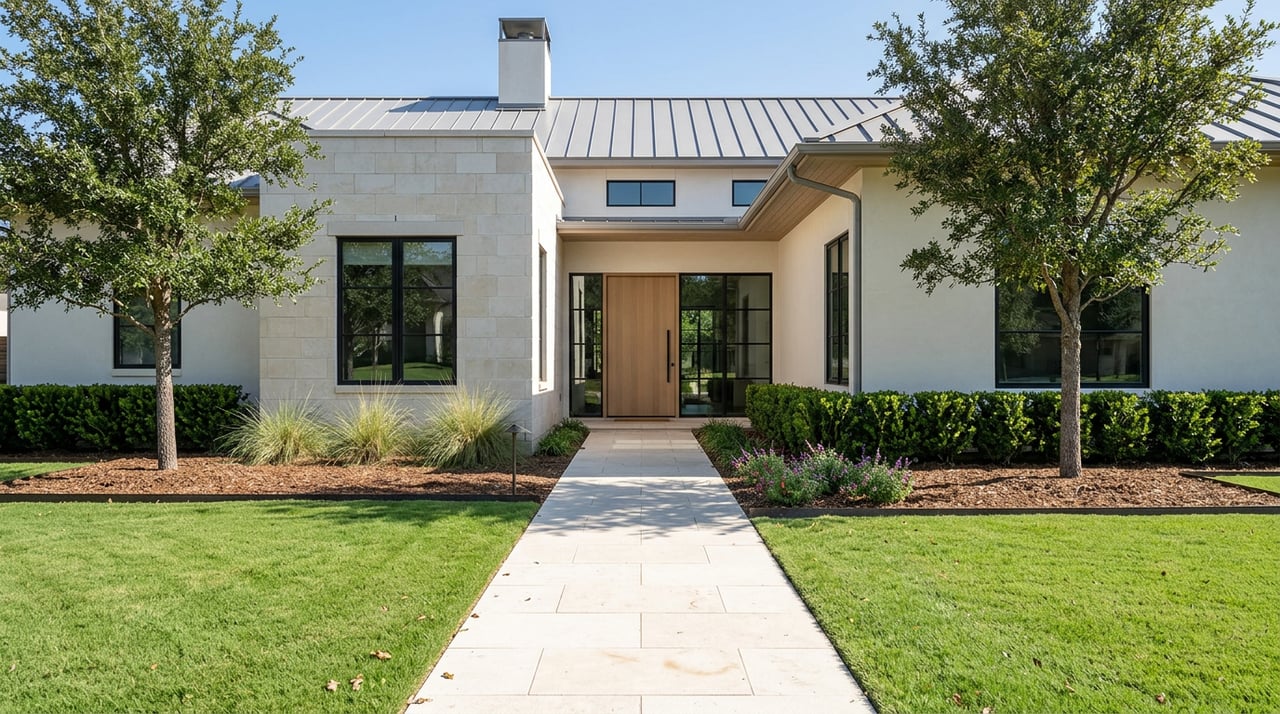
Picture your ideal estate in Southlake or Westlake: a private lot, a custom floor plan, and finishes that match your lifestyle. Getting from a raw parcel to move‑in day takes careful planning and the right team. In this guide, you will learn how to vet a lot, map permits and ARC approvals, control costs, and protect your investment. Let’s dive in.
Why build in Southlake or Westlake
Southlake runs a structured planning process with posted submittal calendars and checklists that help you predict timing and requirements. You can review the city’s current schedules and submittal lists on the official Applications, Fees, and Submittal Schedules page at the City of Southlake website. Use Southlake’s published schedules and checklists to plan design milestones and fees.
Westlake operates at a smaller, estate‑scale pace and coordinates projects through a Development Review Committee. Pre‑application and DRC meetings are part of the expected path. Explore Westlake’s Planning and Development page for how the Town manages development agreements and DRC scheduling.
Schools influence value across both markets. Portions of Southlake and Westlake fall within Carroll ISD boundaries. Always confirm the attendance zone with Carroll ISD for any specific lot.
Taxes and exemptions affect long‑term costs. Southlake lists a city‑level 20 percent residential homestead exemption in its adopted budget materials. Review the current budget context and pair it with county and school rates when you model carrying costs. See Southlake’s FY 2026 adopted budget materials for details and confirm parcel‑specific tax estimates before you commit.
Vet the lot first
Title, plat, covenants
Confirm the recorded plat, legal description, and all easements. Review CC&Rs or restrictive covenants that set building envelopes, materials, heights, and setbacks. If a replat is needed, align your contract dates with the city’s posted submittal schedule.
Survey and topo
Order a current ALTA boundary survey and a topographic map. Flag all utility, drainage, and access easements, and verify setbacks. These can shrink the buildable area even on large parcels.
Utilities and taps
Identify providers for water, sewer, electricity, gas, and telecom. In Southlake, you can confirm service and new construction meter steps on the city utilities page. Review Southlake Water Utilities guidance and budget for tap, impact, and connection fees at permit submittal.
Soils and foundation
North Texas soils often include expansive clays. Order a site‑specific geotechnical report with borings tied to your planned footprint to inform foundation type and pier depth. As an early screen, you can consult the USDA Web Soil Survey, then rely on your geotechnical engineer for final design recommendations.
Floodplain and drainage
Check FEMA flood maps and municipal overlays before you buy. Lots with mapped floodplain may require elevation certificates, stormwater design, or detention, which can add time and cost. Ask your civil engineer to provide a preliminary drainage plan and budget impacts during the option period.
Trees and grading
Southlake enforces a Tree Preservation Ordinance with permit and protection standards. Protected or specimen trees can limit house placement or require mitigation. Review Southlake’s tree preservation rules and confirm any conservation areas on the lot.
HOA and ARC rules
Most luxury neighborhoods require written Architectural Review Committee approval before you pull permits. Obtain CC&Rs, design manuals, submittal fees, and turnaround times early. Westlake also posts neighborhood development agreements and special district info. See Westlake’s Neighborhoods and HOAs overview for Town‑level context.
Off‑site work and fees
Confirm whether you must add sidewalks, extend utilities, or complete frontage improvements. In Southlake, certain impact and inspection fees are due at submittal. Align your budget and timeline with the city’s fee schedule and inspection cadence.
Taxes and districts
Ask the title company or county to identify special taxing units that apply to the parcel. MUDs, PIDs, or other districts can influence your long‑term carrying costs. Include these in your pro forma before you release option funds.
Design and approvals
Choose your team
Interview architects who have estate‑lot experience, especially with grading, drainage, and protected trees. For builders, verify insurance, references, and local permitting experience in Southlake and Westlake. A team familiar with ARC standards and municipal checklists will shorten review cycles and reduce redesigns.
Sequence ARC to city
A common path works like this: secure CC&Rs and ARC guidelines, complete schematic design and site plan with tree protection, submit to the ARC, then advance to city planning and building permits. In Westlake, plan a DRC pre‑application meeting before formal submittal. Build ARC and city review windows into your design calendar.
Key submittals and timing
Expect platformed approvals for plats or replats, civil site plans, building permits, pools, and fences. Southlake and Westlake publish submittal dates that map to Planning Commission or DRC calendars, which helps you forecast lead times. Pay required fees at submittal and keep receipts ready for inspection scheduling.
Tips for faster reviews
- Book pre‑application meetings early.
- Submit complete packages that match city and ARC checklists.
- Track redlines by discipline and budget for revisions.
- Keep the owner, architect, civil engineer, and builder aligned on a single set of plans.
Contracts and protections
Land purchase terms
Write a due‑diligence period into your lot contract that allows for survey, title, geotechnical borings, ARC document review, and utility confirmation. Include a right to terminate if the lot cannot support the planned program or if approvals are not feasible within your timeline.
Builder contract controls
Negotiate a clear payment schedule tied to verified milestones, defined allowances, and a written change‑order process. Add lien‑release language and require conditional waivers with each draw. Set a realistic construction schedule with accountability for delays outside your control.
Texas lien law basics
Texas Property Code Chapter 53 gives contractors and suppliers powerful lien rights. Understand notice requirements, filing deadlines, retainage rules, and how payment bonds affect exposure. Work with counsel and build lien waivers into your payment process. Review Texas Property Code Chapter 53 as you structure your protection plan.
Financing and draws
Most custom builds use construction or construction‑to‑permanent loans. Expect a lender‑approved budget, draw schedule, third‑party inspections, and a final appraisal at completion. Compare lenders on draw timing, interest reserves, and experience with luxury custom projects.
Insurance and warranties
Require builder’s risk and general liability coverage during construction. Confirm written warranty terms for workmanship, systems, and structure. On larger estates, consider performance or payment bonds and staged retainage to align incentives.
Timeline and costs
A realistic roadmap helps you plan capital and expectations.
- Lot due diligence: 2 to 8 weeks.
- Schematic design and ARC submission: 2 to 4 months.
- City entitlements and permits: 1 to 6 months depending on platting and review cycles.
- Construction: 10 to 18 months or more based on size and site complexity.
Primary cost drivers include site work and grading, protected‑tree mitigation and replanting, off‑site utility extensions, deep piers or rock removal, long driveways and walls, private security or enclosure features, and custom millwork and MEP systems. Impact and tap fees can be material, so verify them with your city at submittal.
Final due‑diligence checklist
Use this punch list before you release option funds:
- Recorded plat, CC&Rs, and any ARC design manual.
- ALTA boundary survey and topo; title commitment with all exceptions.
- Site‑specific geotechnical report with foundation recommendations.
- Written confirmation of water, sewer, power, and gas service points and estimated tap or impact fees. Start with Southlake Water Utilities for Southlake lots.
- FEMA flood status review and a preliminary drainage plan with any elevation requirements.
- ARC pre‑submittal feedback or written concept acceptance from the neighborhood’s committee. For Westlake context, see Neighborhoods and HOAs.
- Tax review for special districts and parcel‑specific estimates.
- Legal review of your lot and builder contracts with lien‑waiver mechanics aligned to Texas Property Code Chapter 53.
Ready to evaluate lots, align the right team, and move from concept to keys with less friction? Connect with the local experts who live this corridor every day. Partner with George & Noonan Real Estate Group for private lot opportunities, builder introductions, and a concierge path from site to certificate of occupancy.
FAQs
How long does a Southlake custom build take?
- Plan on 2 to 8 weeks for due diligence, 2 to 4 months for design and ARC, 1 to 6 months for city approvals, and 10 to 18 months or more for construction based on size and site complexity.
What makes Westlake’s review process distinct?
- Westlake coordinates many projects through a Development Review Committee, so pre‑application and DRC meetings are common and should be baked into your schedule.
How do ARC approvals differ from city permits?
- ARC approvals enforce neighborhood design standards, while city permits address code compliance, life safety, utilities, drainage, and inspections; many neighborhoods require ARC sign‑off before city permit submittal.
What is Southlake’s city homestead exemption?
- Southlake lists a 20 percent residential homestead exemption at the city level in its adopted budget materials, in addition to county and school tax components that vary by parcel.
Do I really need a geotechnical report?
- Yes, expansive clays are common in North Texas, and a site‑specific geotechnical report informs the foundation system, pier depth, and drainage that protect your home.
How can I manage mechanics’ lien risk in Texas?
- Use contracts with clear draw schedules, retainage, and conditional lien waivers tied to each payment, and consult counsel on Texas Property Code Chapter 53 requirements before work begins.