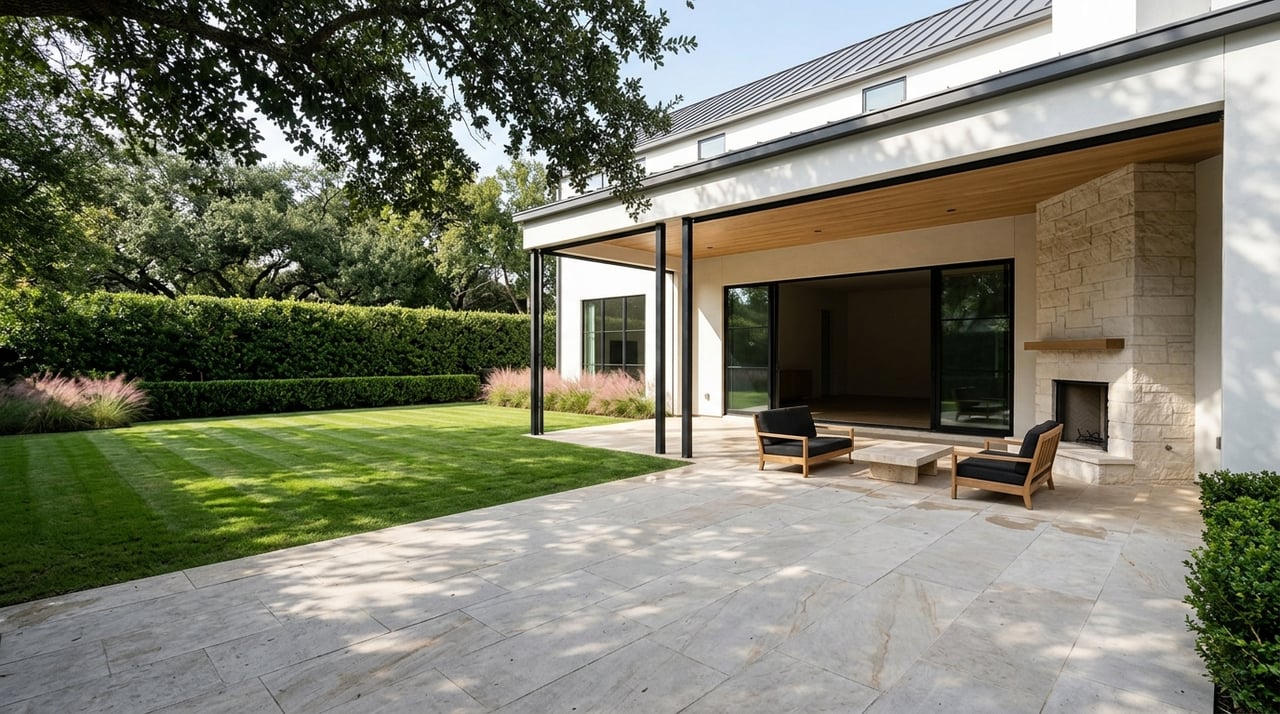
If you want country club surroundings without giving up a true neighborhood feel, Trophy Club deserves a closer look. For many buyers, the appeal is not just golf. It is the mix of residential streets, wooded backdrops, parks, trails, and convenient access along the SH 114 corridor near Southlake, Westlake, and Roanoke. If you are weighing a move here, this guide will help you understand how Trophy Club’s golf community actually lives day to day. Let’s dive in.
What makes Trophy Club distinct
Trophy Club describes itself as the first master-planned community in Texas, and that history still shapes the town today. The community grew from a 1970s golf-course concept backed by Ben Hogan, then evolved into a full residential town that incorporated in 1985.
That origin matters because golf is not tucked off in one corner. The town says 36 holes of golf are woven through neighborhoods and woodlands, which gives many streets a scenic, established feel. At the same time, Trophy Club spans just 4.2 square miles and has more than 12,000 residents, so it often feels more contained and connected than many larger DFW suburbs.
Golf living is part of daily life
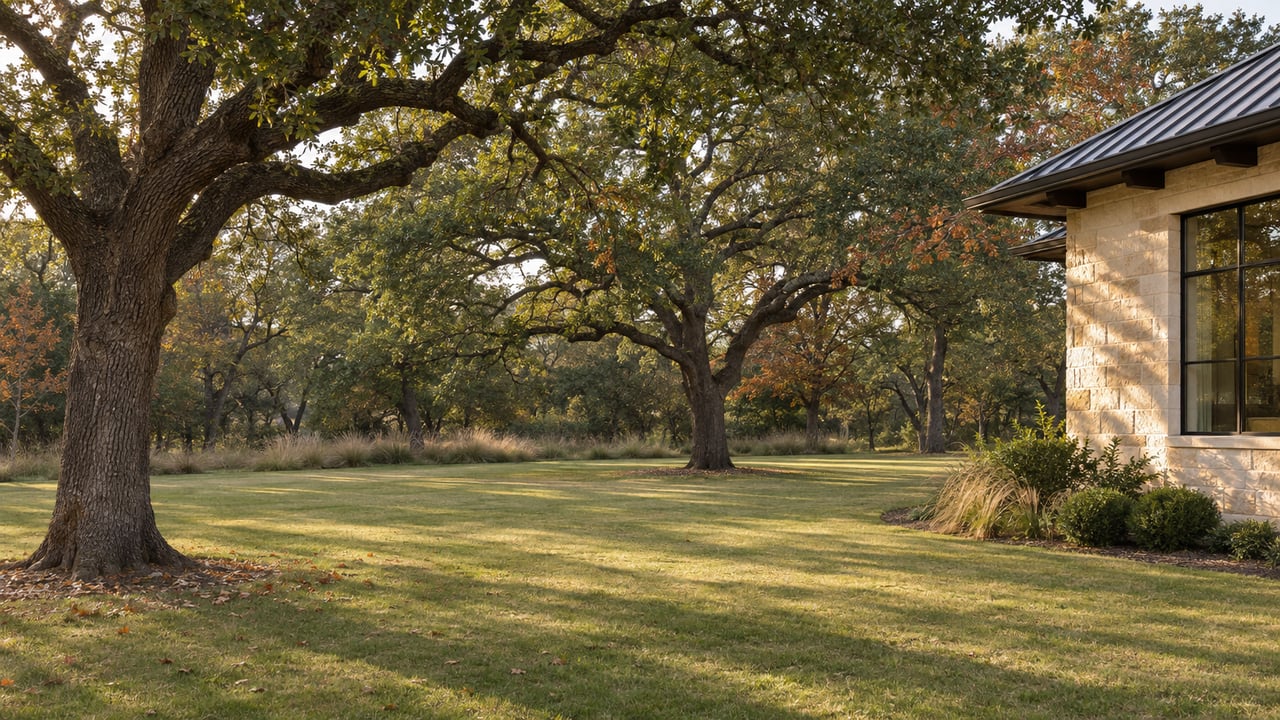
In Trophy Club, golf course living is often as much about atmosphere as it is about playing the game. Fairway views, mature trees, winding streets, and backyard sightlines toward open green space all help define the look and feel of the community.
The private Trophy Club Country Club remains a major lifestyle anchor. The club currently offers two 18-hole courses, named Hogan and Whitworth, along with an indoor golf simulator, six tennis courts, eight pickleball courts, fitness facilities, dining, and swimming.
For some buyers, that package creates an easy all-in-one lifestyle. You can have club access, recreation, and a residential setting in one place, rather than feeling like you live in a resort district separated from everyday neighborhood life.
Trophy Club feels residential, not purely resort-like
One of the biggest surprises for first-time buyers is how balanced Trophy Club feels. Yes, golf is central to the identity. But the town also emphasizes more than 1,000 acres of parks and a broad network of trails, fields, playgrounds, tennis, disc golf, and a dog park.
That wider amenity mix gives the town a lived-in, family-oriented suburban structure without relying only on the country club experience. If you want a neighborhood where outdoor recreation goes beyond golf, Trophy Club has more variety than many buyers expect.
Who Trophy Club often fits best
Trophy Club can appeal to several types of buyers, especially those who value convenience, established surroundings, and a polished suburban setting. It may be a strong match if you want access to club amenities and neighborhood infrastructure without maintaining a large acreage property.
Based on the town’s amenity mix and layered community structure, Trophy Club can also make sense for buyers seeking a more lock-and-leave lifestyle. That can include executives, downsizers, or relocating buyers who want a streamlined setup in a well-known North Texas community.
The key is understanding that not every property delivers the same ownership experience. Home style, subdivision rules, HOA structure, and potential PID obligations can vary a lot by address.
HOA and PID details matter here
This is one of the most important things to understand before you buy in Trophy Club. The town does not function like a single-HOA subdivision with one uniform set of dues and standards.
The town’s HOA directory lists multiple associations and management structures, including Canterbury Hills, Churchill Downs, Hogan’s Glen, The Highlands sub-associations, The Lakes of Trophy Club, The Villas of Trophy Club, and The Knoll. The town also advises buyers to confirm HOA status with permitting when needed.
Some neighborhoods include layered controls. For example, a town ordinance states that Canterbury Hills Tract 2 lots are part of the HOA for the existing private, gated residential neighborhood of Hogan’s Glen, while also being treated as their own planned development with separate standards.
Trophy Club also has an important Public Improvement District, or PID, component. The town says it created the first municipally bonded PID in Texas in 2007, and that The Highlands development is the PID. According to the town, PID assessments help fund infrastructure and related development needs.
What buyers should verify by address
Before you make an offer, it is smart to confirm the exact ownership structure tied to the property. In Trophy Club, details can differ meaningfully from one neighborhood to another.
Check these items carefully:
- HOA dues
- PID assessments, if applicable
- Architectural guidelines
- Gated or layered association rules
- Amenity access tied to the property or membership
- Any subdivision-specific restrictions or review processes
For buyers in this market segment, that kind of upfront diligence can save time and reduce surprises later in the process.
Home values in context
Trophy Club sits in an upscale part of DFW, but it occupies a middle ground that many buyers find appealing. In March 2026, Redfin reported a median sale price of $847,500 in Trophy Club, with homes taking about 43 days to sell on average.
For context, Southlake’s median sale price was reported at $1,342,500 with about 25 days on market. Westlake’s reported sale price was $5.15 million with 121.5 days on market, though that snapshot was based on only four homes sold and should be viewed directionally.
That comparison helps explain Trophy Club’s niche. It can offer a golf-centered, upscale suburban lifestyle that is generally more attainable than Westlake, while often feeling smaller and more self-contained than Southlake.
Trophy Club vs. Southlake and Westlake
Buyers relocating to this part of North Texas often compare these three communities together. While they are all close in geography, they deliver different living experiences.
Trophy Club has a smaller footprint than Southlake, with 4.2 square miles compared with Southlake’s 22.5 square miles. Southlake also has more than 30,000 residents, while Trophy Club has more than 12,000. That difference can make Trophy Club feel more compact and neighborhood-focused.
Westlake presents a different scale and identity altogether. Westlake reports a little more than 2,000 residents across 7 square miles and is often associated with a more estate-oriented and highly exclusive profile.
In practical terms, Trophy Club often lands in the middle. It tends to offer a golf-forward setting and upscale suburban appeal, but in a format that feels more residential and approachable than an ultra-estate market.
Schools depend on the address
For buyers with school-age children, address-level verification is essential. Trophy Club’s official education page says the town’s Northwest ISD campuses include Byron Nelson High School, Medlin Middle School, Samuel Beck Elementary, and Lakeview Elementary.
At the same time, Northwest ISD says families should use the school-zone locator because assignments depend on address. The district spans parts of three counties and 13 municipalities, so school attendance is not something to assume based on a general neighborhood name alone.
That means your search should include both property fit and district boundary review from the start. In a town with multiple neighborhood structures, this is one more reason why exact location matters.
What daily life can feel like
Living in Trophy Club’s golf community is often about rhythm and convenience. You may have golf course scenery around you, but you are also in a functioning town with parks, trails, neighborhood associations, and an active local identity.
The town highlights resident participation in community activities, and that shows up in how Trophy Club is perceived. It is not just a collection of houses around fairways. It is a community with its own governance, planning history, and a long-standing residential base.
For many buyers, that blend is the draw. You get an established setting with strong visual character, a private club at the center of the story, and a broader suburban framework that supports everyday life.
What to consider before buying
If Trophy Club is on your shortlist, your decision should go beyond curb appeal and golf views. The right purchase here depends on matching the property to your lifestyle, budget, and preferred ownership structure.
A few smart questions to ask include:
- Do you want a home with direct golf course orientation or simply a golf-community setting?
- Are you comfortable with HOA rules that may vary by subdivision?
- Is the property located in an area with PID assessments?
- Do you want country club access, and if so, which membership category fits your needs?
- How important are trails, parks, and neighborhood recreation beyond golf?
- Have you verified school assignment by exact address?
Those details can shape not only your monthly costs, but also how the home lives for you long term.
Why local guidance matters in Trophy Club
Trophy Club can look straightforward from the outside, but the town has layers that matter. Neighborhood structure, HOA variation, PID obligations, membership choices, and micro-location differences all play a role in whether a home is the right fit.
That is especially true for relocation buyers and move-up buyers who want a smooth, informed purchase. A tailored search process can help you compare sections of Trophy Club more clearly and avoid treating the town like one uniform product.
If you are considering a move to Trophy Club or comparing it with nearby luxury suburbs, George & Noonan Real Estate Group can help you navigate the details with a personalized, high-touch approach.
FAQs
What is living in Trophy Club’s golf community like?
- Living in Trophy Club often means a blend of golf course surroundings, residential neighborhoods, parks, trails, and access to private club amenities in a compact suburban setting.
Does every Trophy Club home have the same HOA rules?
- No. Trophy Club has multiple associations and management structures, so dues, rules, and architectural standards can vary by subdivision and address.
Are there PID assessments in Trophy Club?
- Some properties may be affected by PID assessments. The town says The Highlands development is the PID, so buyers should confirm this detail for any specific property.
Is Trophy Club Country Club private?
- Yes. The club is private and currently offers multiple membership categories, along with golf, tennis, pickleball, fitness, dining, swimming, and an indoor golf simulator.
How do Trophy Club home prices compare with Southlake and Westlake?
- March 2026 data showed Trophy Club at a median sale price of $847,500, compared with $1,342,500 in Southlake and $5.15 million in Westlake, though Westlake’s figure was based on a small number of sales.
Which schools serve Trophy Club homes?
- Trophy Club’s official education page lists Northwest ISD campuses including Byron Nelson High School, Medlin Middle School, Samuel Beck Elementary, and Lakeview Elementary, but school assignment depends on the property address.
Is Trophy Club a good fit for relocation buyers?
- It can be, especially for buyers who want a well-located suburban community with club amenities, neighborhood infrastructure, and a more contained feel than some larger DFW suburbs.